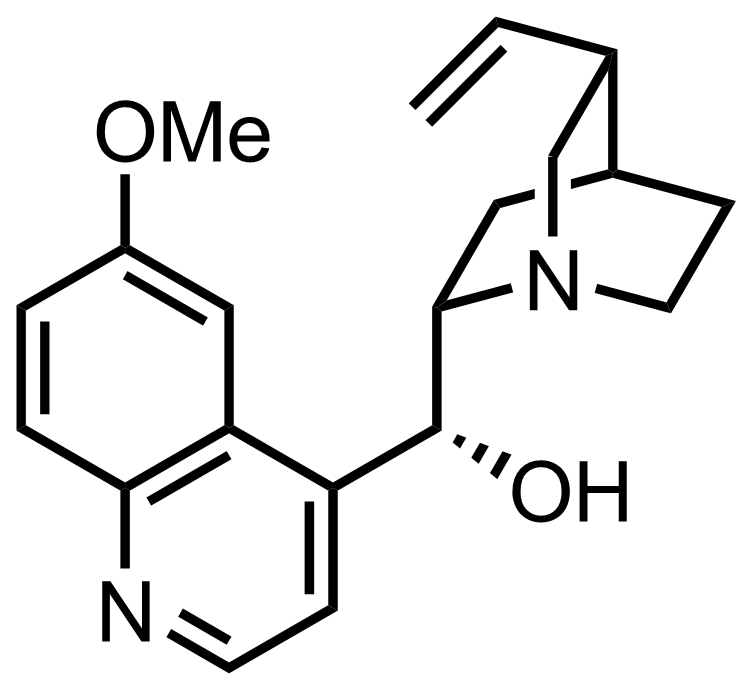
Quinine acts as a blood schizonticide has a similar action to chloroquine inhibiting heme polymerase causing buildup of cytotoxic heme.
Chloroquine is the cheapest, longest used, and safest anti malarial drug. It's mechanism of action is unclear, Being alkaline the drug reaches high concentration within food vacuoles of the parasite and raises its PH. Chloroquine inhibits the parasitic enzyme heme polymerase resulting in accumulation of cytotoxic heme within the parasite.
Pyrimethamine and sulphadoxine are useful antimalarials with uncomplicated malaria. It is used in artemisin combination and in Intermittent treatment in Pregnancy (IPTp).
Pyrimethamine inhibits dihydrofolate reductase of plasmodia which are essential for DNA synthesis and cell multiplications. Sulfasoxine inhibits the synthesis of dihydropteroic acid. The combination of pyrimethamine and sulfa offers a effective blocking of plasmodial division.
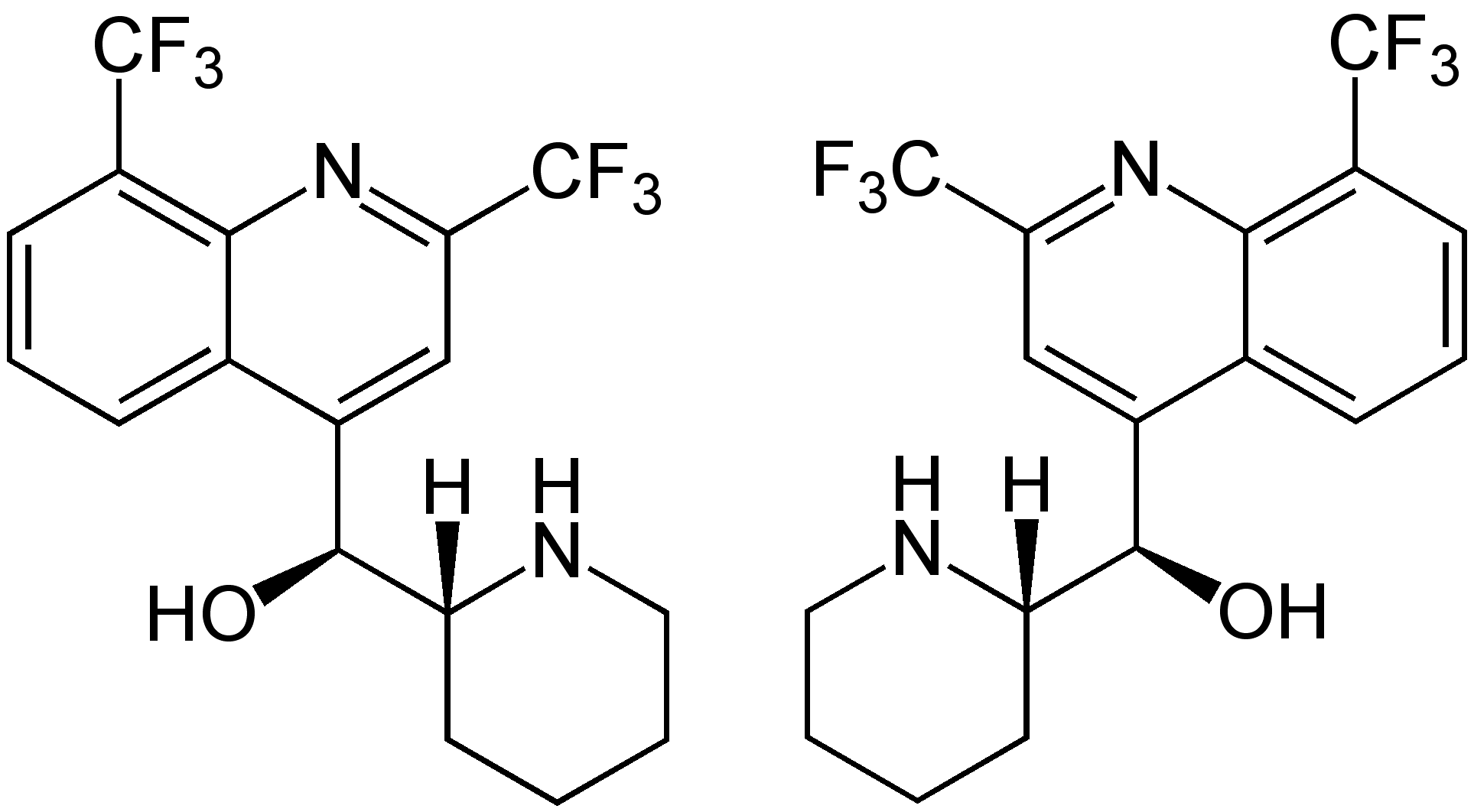
Mefloquine was born during the Vietnam war to protect American soldiers. Mefloquine produces a swelling of the food vacuoles. It may also form toxic heme compounds like quinine and chloroquine.
Artemisinin has been used as a treatment for fever in China for more than 1000 years. Artemisinin inhibits sarcoplasmic-endoplasmic reticulum calcium ATPase. It inhibits the devolpment of trophozites and prevents progression of the disease. Artemisinin combination therapy (ACT), is the best available treatment for P. falciparum.