About Malaria
Malaria is a disease cause by parasites that represents with fever, flu symptoms, and anemia. The disease is spread by the bite of an infected female Anopheles Mosquito.
Malaria
is caused by the parasite Plasmodium. The most problematic species of
Plasmodium in Africa is P. falciparum
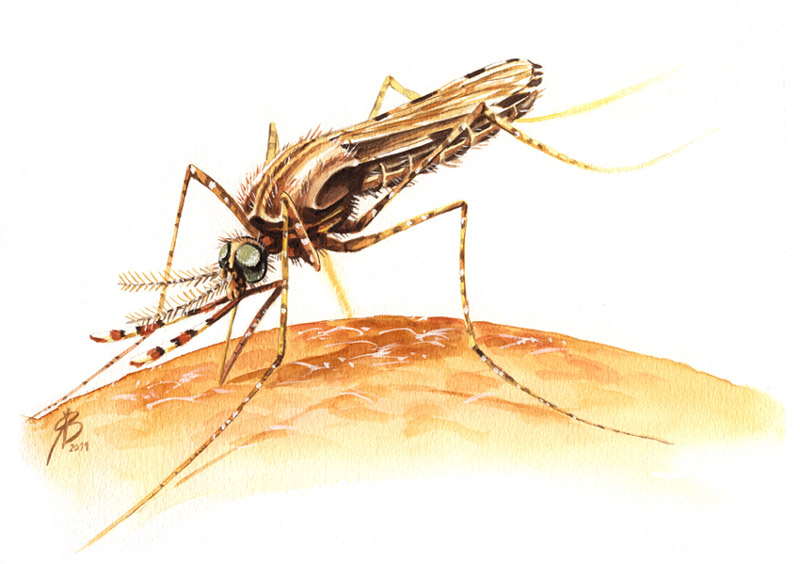
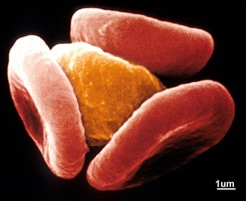
Malaria is caused by the parasite Plasmodium. The most problematic species of Plasmodium in Africa is P. falciparum which can invade all types of red blood cells and causes the most potent form of malaria. The Anopheline mosquito specifically female mosquitoes feed on blood, a necessity in the production of eggs.
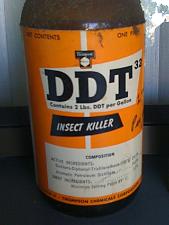
Malaria incident rates hit a low in the mid 1960’s during dichlorodiphenyltrichloroethane (DDT) spraying campaigns, as part of the Global Malaria Eradication Programme but incident rates have risen since the campaign was abandoned.
Malaria incident rates hit a low in the mid 1960’s during dichlorodiphenyltrichloroethane (DDT) spraying campaigns, as part of the Global Malaria Eradication Programme but incident rates have risen since the campaign was abandoned.